Energy And Resource Management

To sustain life on Mars, continuous energy production is essential. Solar panels, nuclear reactors, and energy storage systems are therefore crucial. Additionally, extracting water from ice layers and separating oxygen are key steps toward making the habitat self-sufficient.

Habitat Design

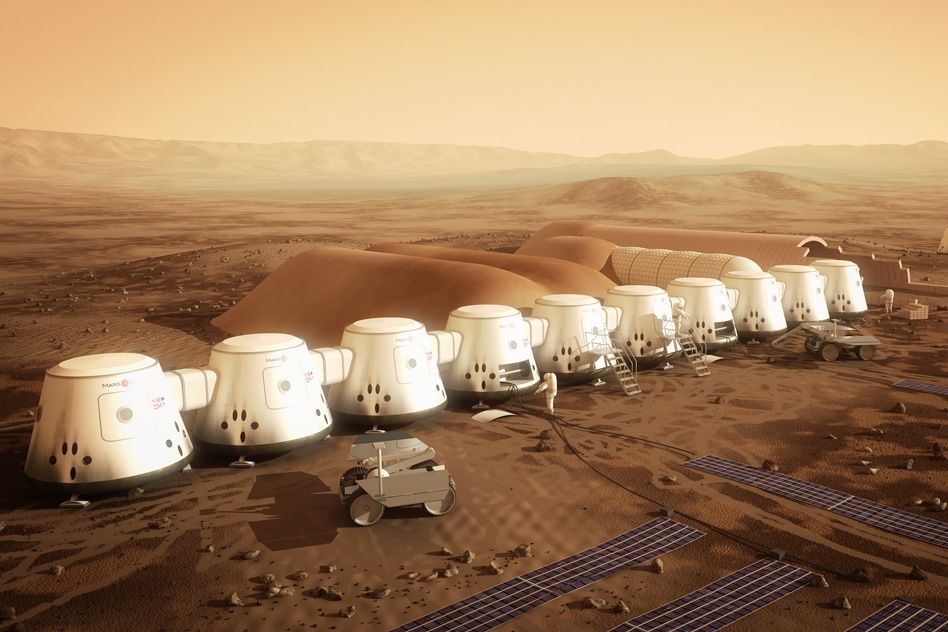
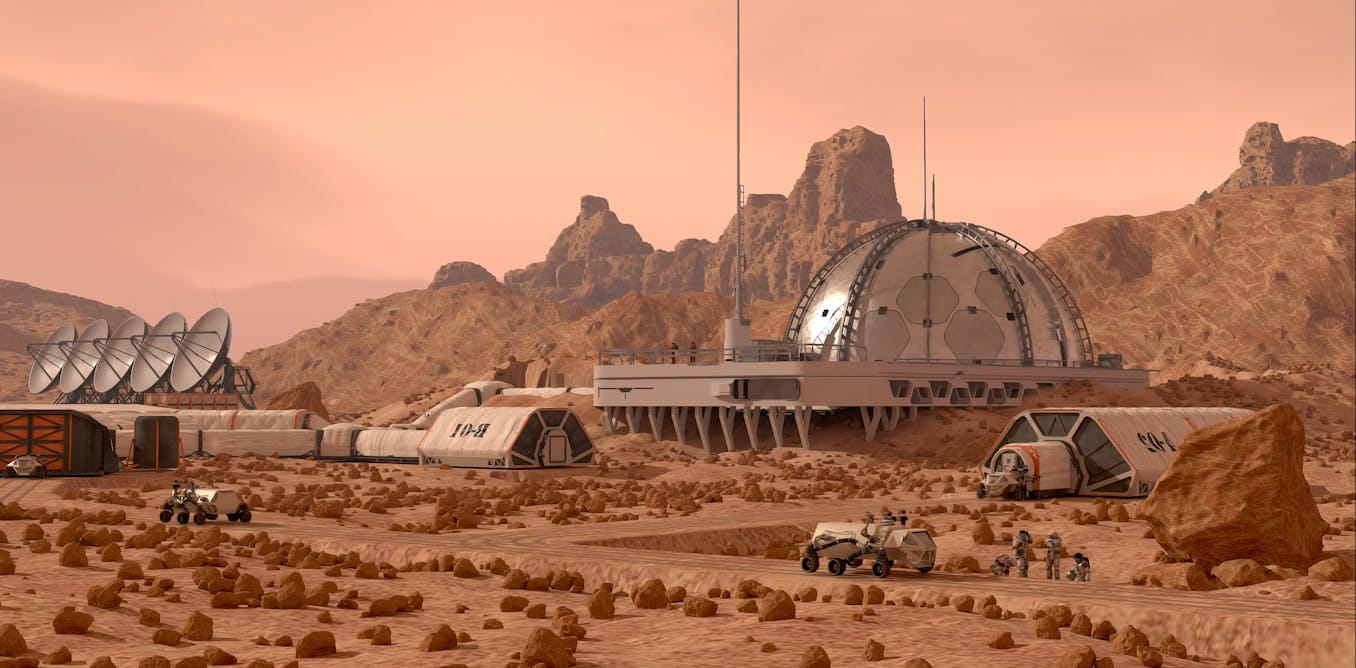
Living spaces on Mars are not just simple buildings; they are closed ecosystems that protect humans from radiation, extreme cold, and dust storms. Structures built with 3D printers using Martian soil, inflatable modules, and underground tunnels are among the most discussed design options.

Food And Agriculture

The key to long-term survival is being able to produce one’s own food. In Martian habitats, fresh produce will be grown through hydroponics (soilless farming), vertical farms, and closed greenhouses. This way, the crew won’t have to rely solely on stored food supplies.

Communication And Technology

Because of the vast distance between Mars and Earth, communication delays can last for several minutes. Therefore, habitats must be supported by artificial intelligence systems, robotic assistants, and autonomous technologies.

Sustainable Living on Mars

Building a sustainable life on Mars will be one of humanity’s greatest milestones in space exploration. Our project offers innovative solutions in four key areas. Structures 3D-printed from Martian soil reduce material transport while creating safe and durable habitats. Solar panels and wind turbines ensure continuous energy production. In closed hydroponic systems, water is recycled and plants are grown under artificial light to provide fresh food. A satellite-based network enables seamless communication both within the habitat and with Earth. Additionally, water trapped in subsurface ice crystals and minerals is extracted through heating and filtration systems, making it usable for drinking, agriculture, and oxygen production. Our goal is not just to live on Mars, but to help humanity build a lasting future in space.